AZRA BEGIC — THE GUARDIAN OF TREASURES
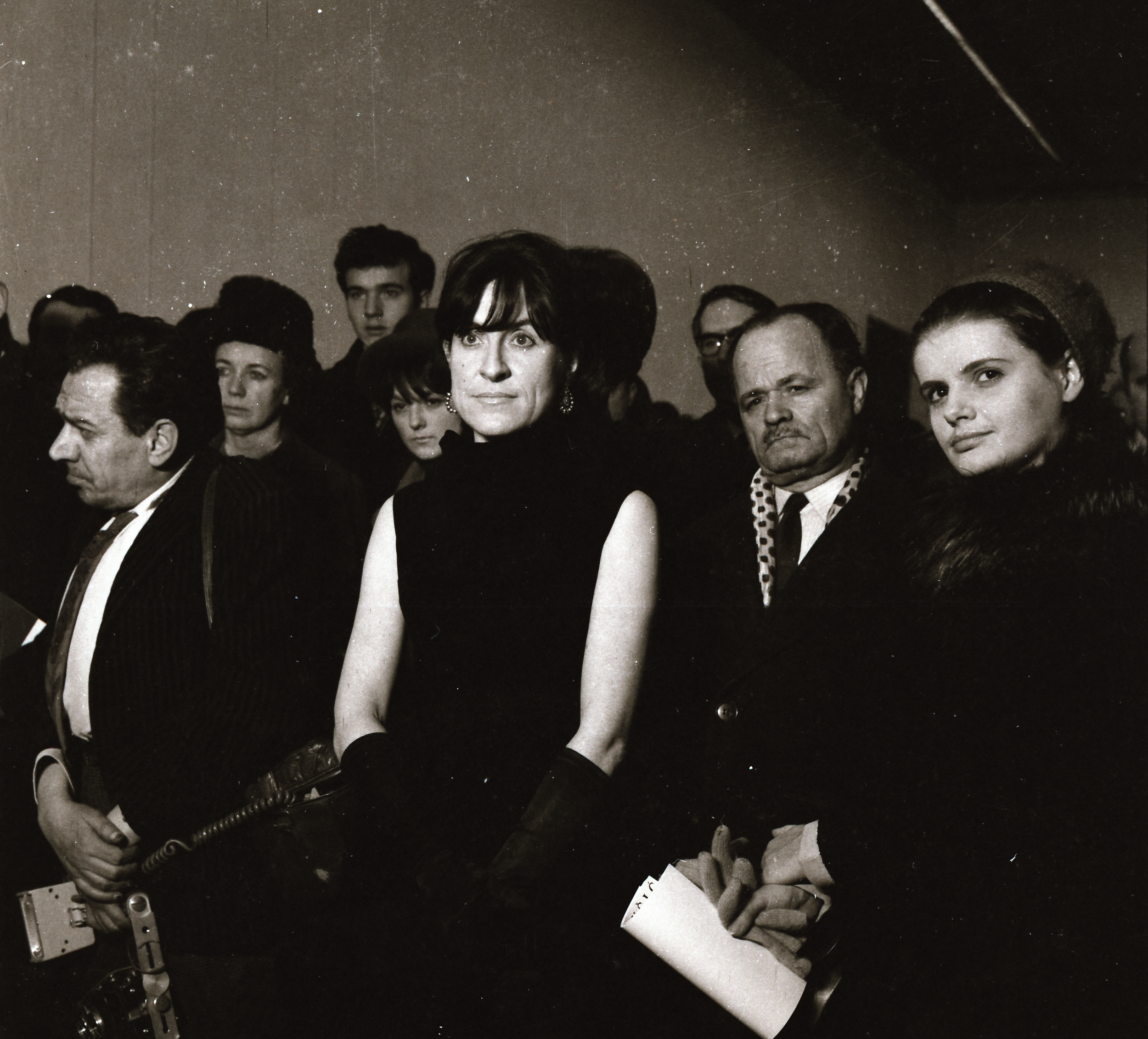
Azra Begic — former curator of the Nationalgallery of Bosnia and Herzegovina
The text below was written by Sanela Ademović for The Persistence of Presence in Sarajevo. It tells the story behind one work in the exhibition — Simon's portrait of Azra Begić — better than I ever could. With her kind permission, I share it here in full. — Florian Paul Koenig
A few months ago, I did not know who Azra Begić was. Today, I find myself crying because of her. Not because I knew her. I didn't. Not because I had read her scholarly work. I hadn't. I was crying because only now have I learned the story of a woman who dedicated her life to protecting art, yet whose name is rarely heard beyond the circles of art historians and the National Gallery of Bosnia and Herzegovina.
Sometimes I wonder how many such people live among us — people who never seek the spotlight, yet without whom the world would be immeasurably poorer.
Azra Begić (1931–2017) was one of them.
She was a curator at the National Gallery of Bosnia and Herzegovina and the foremost expert on the Ferdinand Hodler paintings preserved in Sarajevo. People even called her "Madame Hodler". She cared for Hodler's paintings with the same devotion a mother gives her children.
Then, in 1992, the war in Bosnia and Herzegovina changed everything.
Shells did not distinguish between hospitals, schools, libraries and museums. The National Library burned, taking with it more than two million books. Religious monuments were destroyed. The history of a city, of an entire country, was being erased.
The National Gallery was shelled as well — a place that safeguarded not only the cultural heritage of Bosnia and Herzegovina, but also a part of the world's cultural heritage.
In times of war, culture can seem meaningless. When there is no water, no electricity, when children are hungry, when parquet floors are ripped up for firewood and doorframes become fuel to cook a single meal, a painting worth tens of thousands of Swiss francs can suddenly seem less valuable than a carton of cigarettes.
War pushes humanity back into a primitive struggle for survival. And yet it is precisely in such moments that we reveal who we truly are.
Thanks to the dedication and courage of the employees of the National Gallery, and of Azra Begić in particular, and thanks also to the refugees who found shelter in the basement of the Gallery, not a single one of Ferdinand Hodler's paintings was stolen, damaged or destroyed.
I do not know every detail of this story. I only know that without the devotion and wisdom of the post-war director of the National Gallery and Azra Begić, the Bosnian-Herzegovinian Hodler expert, we might not be speaking today of Sarajevo's Ferdinand Hodler collection as one of the National Gallery's greatest treasures.
Perhaps Ambassador Wolfgang Amadeus Brülhart, the Cultural Attaché at the Embassy of Switzerland in the first years after the war, would never have discovered what an extraordinary collection existed in Sarajevo. Perhaps Switzerland would never have become involved in restoring the Gallery and providing the storage facilities that continue to protect these works today.
History can tell us the facts, but there is something facts alone cannot explain. They cannot explain why I have spent days and days mourning a woman I never had the privilege of meeting, and why I am so deeply grateful that Azra Begić will receive her portrait.
A portrait in glass, created by Simon Berger — not only to remember Azra, but also to honour all those who, during the darkest years of the war, helped protect and preserve what could so easily have been lost, and not only the Hodler collection, but countless other works and treasures entrusted to this institution. By saving these works, they helped preserve something much greater than paintings. They helped preserve our memory. They helped preserve the history. And in doing so, they helped preserve a part of who we are.
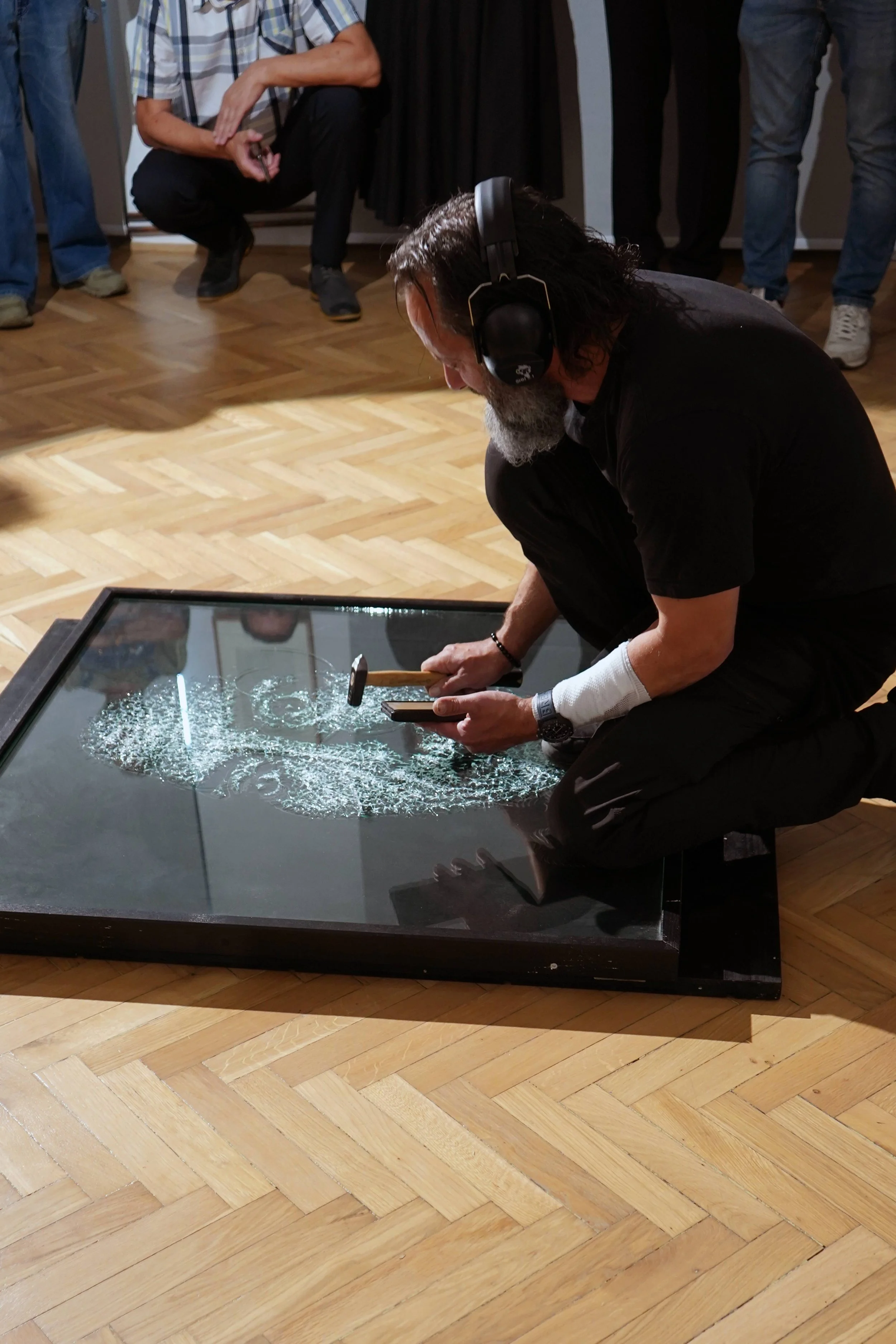
Simon Berger creating the portrait of Azra Begic on the occasion of the opening of the exhibition “The Persistence of Presence” at the Nationalgallery of Bosnia and Herzegovina.
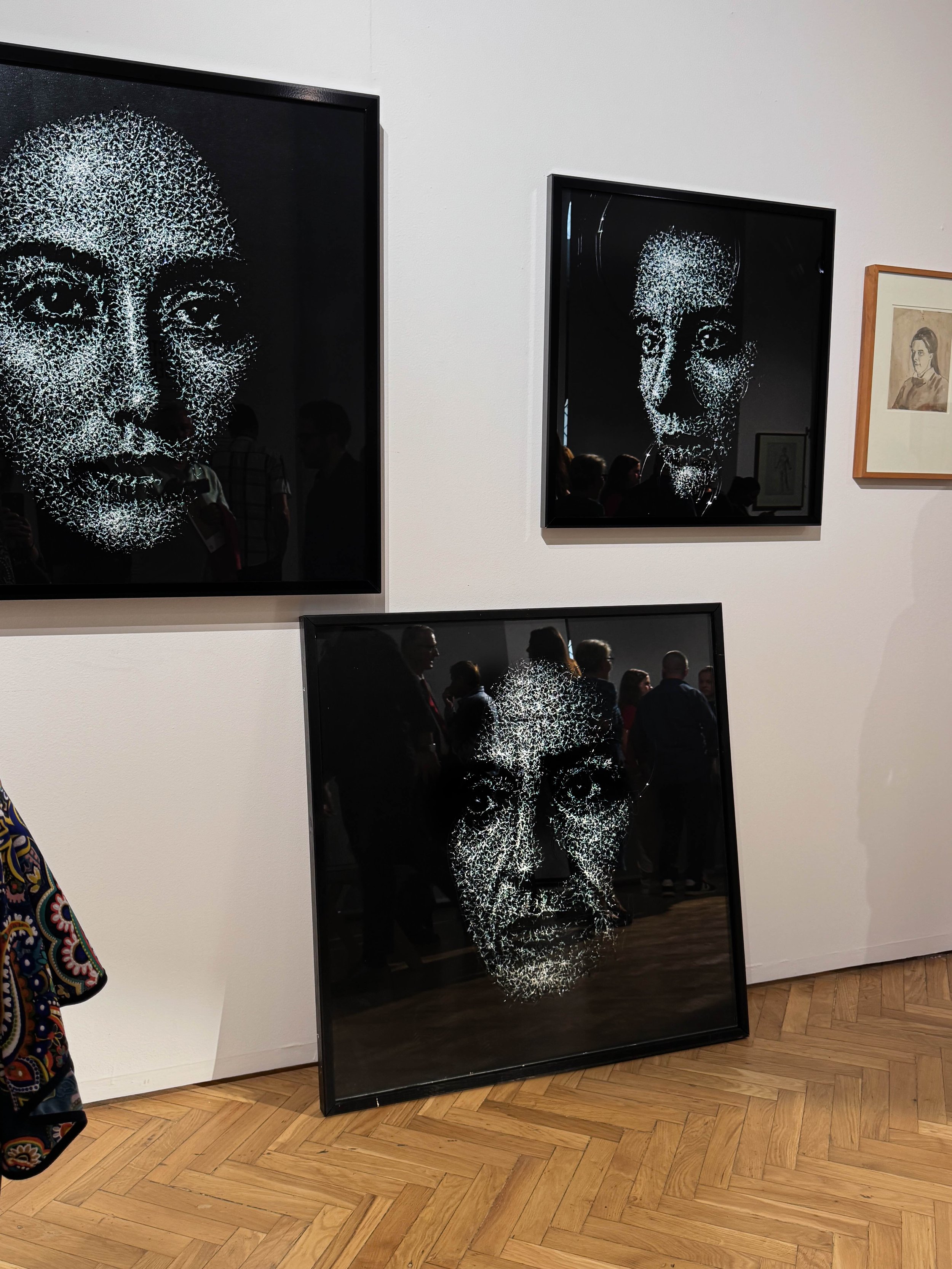
Portrait of Azra Begic
Text: Sanela Ademović, Policy Advisor on Economic and Cultural Affairs, Embassy of Switzerland in Bosnia and Herzegovina, for the exhibition The Persistence of Presence at the National Gallery of Bosnia and Herzegovina, Sarajevo, 2026. Published with kind permission.